

Transform Your Body with Science-Backed Protein Nutrition
Discover evidence-based strategies for male fitness nutrition. Learn how proper protein intake, meal timing, and supplementation can maximize your results and support your athletic goals.
The information on this site is for educational purposes only and does not constitute medical advice. Always consult a qualified healthcare professional before making health decisions.
Core Nutrition Pillars
Essential components of effective fitness nutrition for men looking to build muscle, increase strength, and optimize performance.
Protein Fundamentals
Understand daily protein requirements for muscle development, how amino acid profiles affect recovery, and the role of different protein sources in your nutrition strategy.
Meal Timing & Structure
Explore optimal meal frequency, pre-workout and post-workout nutrition windows, and how to structure your daily eating pattern to support training intensity and recovery.
Supplementation Strategy
Learn about evidence-based supplements, how to evaluate product quality, proper dosing protocols, and how supplementation complements whole food nutrition.
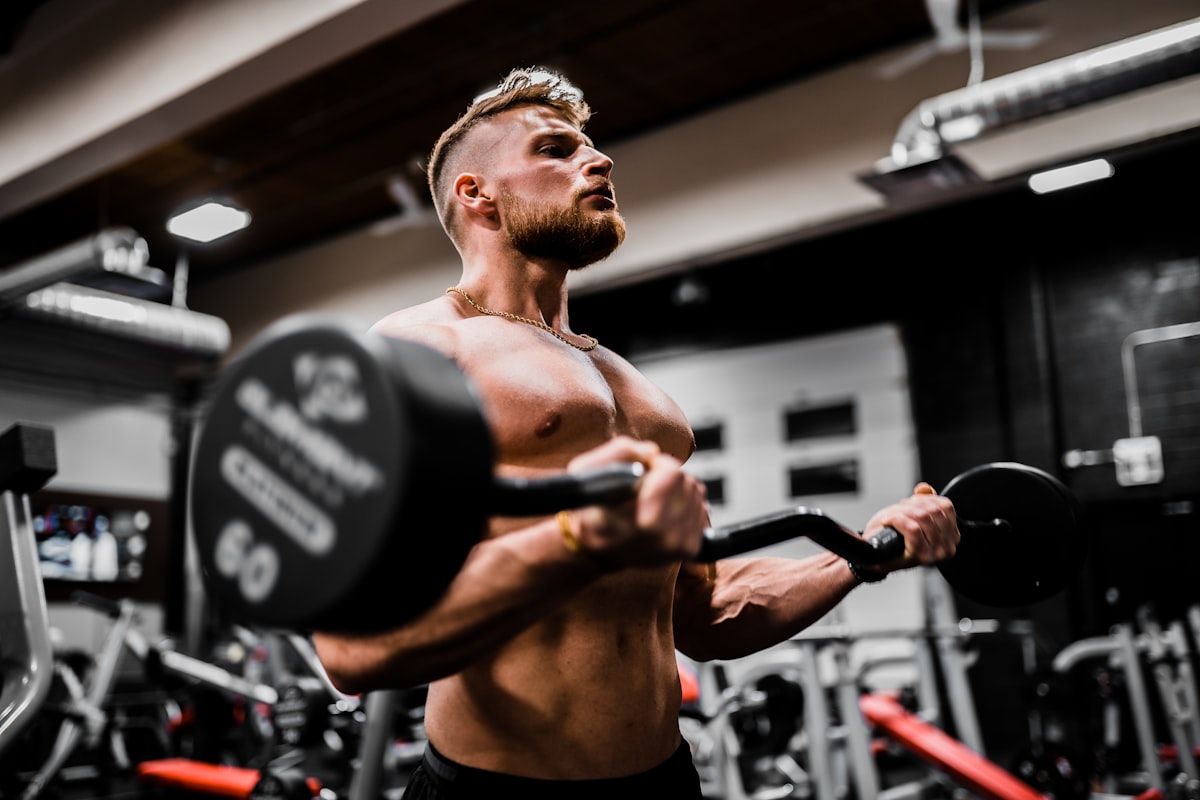
Why Protein Matters for Male Athletes
Protein is the foundation of athletic performance and body composition. It supports muscle repair after training, maintains strength during caloric deficits, and helps regulate hormonal balance. For men focused on fitness, adequate protein intake isn't optional—it's essential for achieving and maintaining your goals.
Our editorial team has researched how different protein sources affect muscle synthesis, recovery times, and overall athletic performance. Whether you're a competitive athlete, weekend warrior, or fitness enthusiast, understanding protein's role in your nutrition strategy is critical to success.
- Muscle Repair & Growth: Protein provides amino acids needed to rebuild muscle fibers after intense training sessions.
- Recovery Enhancement: Adequate protein intake accelerates recovery, reducing soreness and improving readiness for next sessions.
- Performance Support: Protein supports immune function, hormone production, and overall athletic capacity.
What Our Readers Say
Real feedback from men who have applied evidence-based nutrition strategies to transform their fitness results and lifestyle.
5/5
"The protein nutrition guides on this site completely changed how I approach my diet. I've been able to build lean muscle while staying lean, and the science-backed approach means I actually understand why I'm eating what I'm eating. Highly recommend for anyone serious about fitness."
Marcus König
Linz, Austria
5/5
"As someone who struggled with meal planning for muscle gain, the detailed nutrition articles here are invaluable. The breakdown of protein timing and macronutrient balance helped me finally make progress after years of guessing. Clear, practical, and evidence-based."
Thomas Huber
Vienna, Austria
5/5
"I appreciate how this resource avoids hype and focuses on actual nutrition science. The supplementation guides helped me cut through marketing noise and make smarter purchasing decisions. Finally, a fitness nutrition site that prioritizes education over sales."
Daniel Steiner
Salzburg, Austria
Featured Content
Explore our latest articles and guides on protein nutrition, workout recovery, and fitness strategies for men.

Protein Timing for Optimal Muscle Building
Learn how to strategically time your protein intake around workouts to maximize muscle protein synthesis and recovery.
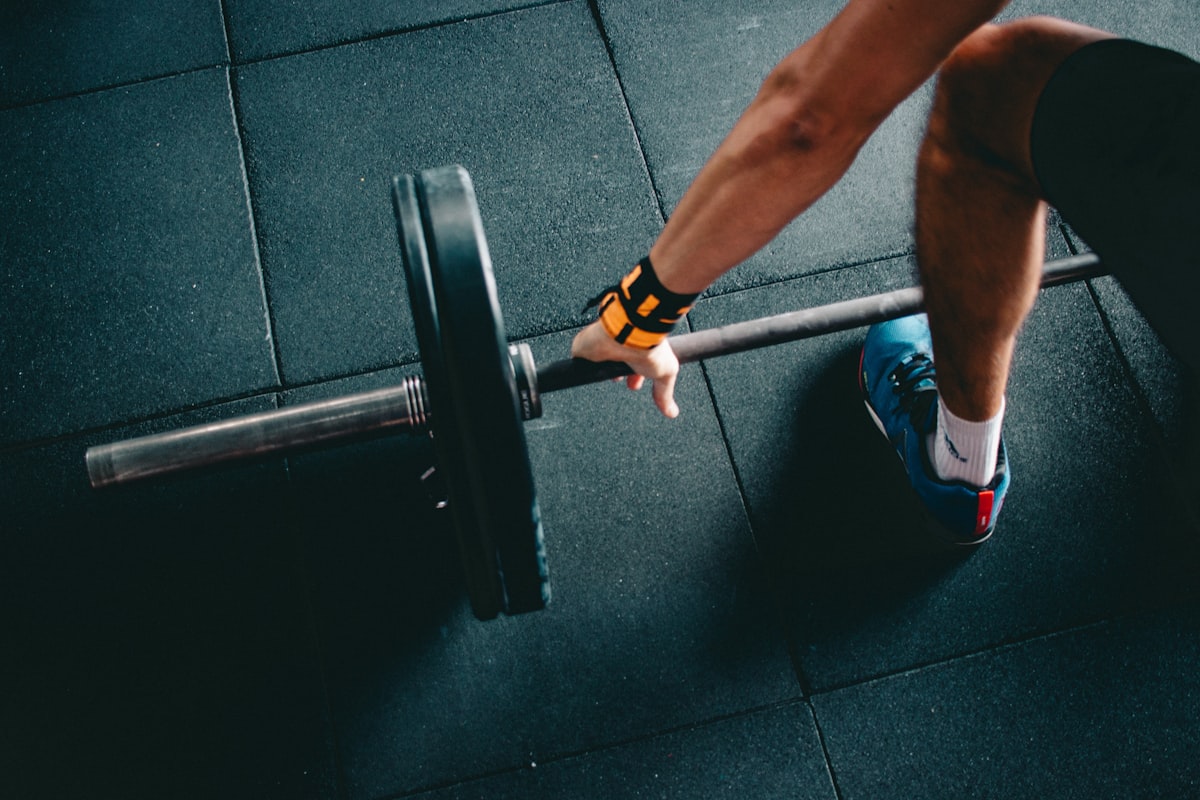
Complete Guide to Protein Sources
Understand the differences between whey, casein, plant-based proteins, and whole food sources for your fitness nutrition plan.

Recovery Nutrition Strategies
Discover evidence-based nutrition strategies to accelerate recovery, reduce muscle soreness, and prepare for intense training.
Nutrition Questions Answered
Common questions about protein nutrition, supplementation, and fitness strategies for men.
The general recommendation for men focused on muscle building is 1.6 to 2.2 grams of protein per kilogram of body weight daily. This translates to approximately 0.7 to 1.0 grams per pound. However, individual needs may vary based on training intensity, age, metabolism, and specific fitness goals. Consistent resistance training combined with adequate protein intake provides the stimulus and nutrients necessary for muscle protein synthesis.
Both whey and plant-based proteins can support fitness goals, but they have different characteristics. Whey protein contains all nine essential amino acids and has a high bioavailability, making it efficient for muscle protein synthesis. Plant-based proteins offer excellent nutritional value and are suitable for those with dietary restrictions, though some may require combining sources to get all amino acids. The best choice depends on your preferences, dietary needs, and how well the protein fits into your overall nutrition strategy.
Research suggests that consuming protein within a few hours after training, ideally within a 3-4 hour window, can support muscle protein synthesis. The "anabolic window" is less narrow than once believed, but post-workout nutrition remains important. What matters more is total daily protein intake and consistency across the day. If you consume adequate protein throughout your day, the timing of a single meal becomes less critical for results.
Evidence-supported supplements for muscle building include whey protein (for convenience), creatine monohydrate (for strength and muscle gains), and caffeine (for workout performance). Other supplements like beta-alanine and citrulline malate have research support but more modest effects. Always prioritize whole food nutrition first—supplements fill gaps but don't replace a solid diet. Consult nutrition resources to evaluate quality and efficacy before purchasing.
Stay Updated with Fitness Nutrition Insights
Subscribe to receive our latest articles on protein nutrition, workout recovery, and evidence-based fitness strategies.
We respect your privacy. Unsubscribe anytime. Read our Privacy Policy.
Ready to Transform Your Fitness Nutrition?
Explore our comprehensive guides, nutrition plans, and evidence-based strategies to optimize your male fitness performance and achieve your body composition goals.